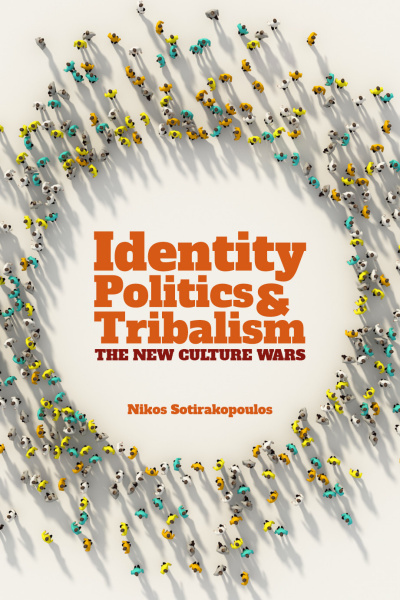
In recent years, critical and activist approaches to social justice have come to dominate universities and many areas of the human services. These frameworks commonly interpret society through fixed categories such as race, gender, and sexuality, portraying social life as a struggle between oppressor and oppressed groups. Increasingly, students and professionals report feeling pressure to adopt a narrow set of approved beliefs, with disagreement carrying the risk of social, academic, or professional exclusion. A growing body of research suggests that this environment discourages open discussion and encourages widespread self-censorship, particularly among young people. Many privately hold doubts or disagreements but publicly conform out of fear of being labelled harmful, ignorant, or morally suspect. Some studies indicate that this suppression of honest thought and speech may be contributing to anxiety, stress, and declining mental wellbeing, as individuals feel compelled to act against their own conscience.
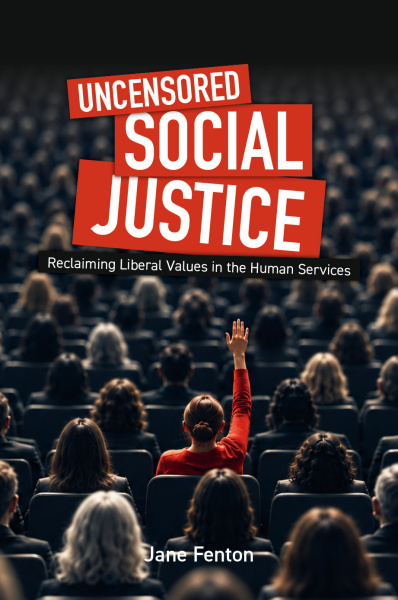
This book offers a clear and constructive alternative. It sets out a robust, evidence-based defence of philosophical liberalism: the tradition that underpins most liberal democracies and the everyday moral intuitions of most people. The book argues for treating individuals as individuals rather than representatives of identity groups; for open, respectful debate on contested issues; for merit and fairness rather than quotas; and for grounding professional judgment in evidence, reason, and common sense rather than ideology. Above all, the book calls for a renewed emphasis on our shared humanity. By focusing on what unites rather than divides us, it argues that the human services can better foster empathy, solidarity, and trust, while remaining intellectually open, humane, and true to the values they exist to serve.